
10 fast fashion statistics about the environment
Fast fashion’s effects on the environment are widely reported, whether it's using the earth’s limited resources, creating waste or polluting the climate with plastics or carbon emissions. The volume of clothes produced, methods of production and high levels of consumption are just some of the negative impacts fast fashion is having on the planet and why Fashion Delivered is taking a stand against it.
Why is fast fashion a problem?
Fast fashion is defined as an industry that produces high amounts of clothing items at a low cost in response to catwalk trends and perceived consumer demand. As such, each fast fashion business model is based on high levels of overproduction feeding the overconsumption of materials, resources and energy alongside the creation of waste.
This means fast fashion impacts the environment in a variety of ways, including:
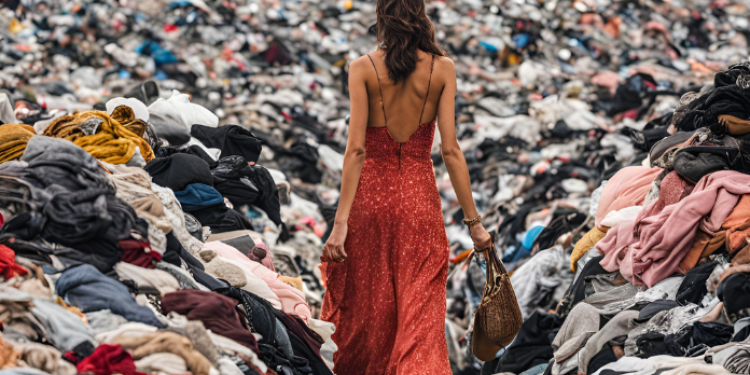
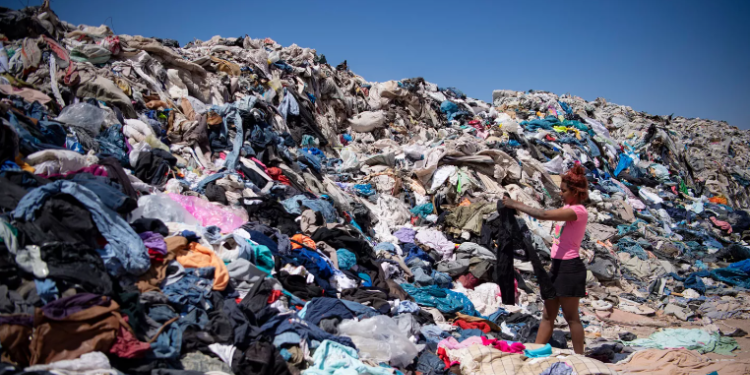
Creation of huge amounts of landfill waste: though some fast fashion brands are starting to take action against rubbish by prioritising recycling or charging for returns on items to reduce their impact, many still produce thousands of tonnes of waste each year. Whether it's through their manufacturing processes or the huge amount of returns they don’t resell due to the cost and effort of reprocessing (such as steaming, restocking, etc.) a huge amount of waste ends up in landfill or third-world countries, causing damage to the surrounding environment (e.g. toxic discharge into waterways) wildlife and human health.
Production of carbon emissions: intensive manufacturing produces high levels of greenhouse gases, which have been shown to be a significant contributing factor to climate change.
Consumption of resources: water, energy and materials are all consumed extensively by the fast fashion industry. This puts pressure on the earth’s precious resources and leads to high demand for raw materials.
However, as the true impact of fast fashion on the environment becomes clear, more consumers are starting to make choices and purchasing decisions which are more sustainable. So, to help businesses make the case for a more sustainable approach, we’ve put together a list of the 10 statistics about fast fashion’s environmental impact.
#1 European clothes use has the fourth highest climate impact
After food, housing and mobility, the consumption of textiles is causing the greatest amount of damage to the environment. Significant amounts of water, land and raw materials are used as a result of textile production, with the average person’s clothing resulting in a carbon footprint of around 270kg.
#2 Fashion industry produces 4% to 10% of global carbon emissions
Though the exact figure has never been established, fast fashion is estimated to produce up to a tenth of the world’s greenhouse gases. From supply chain ignorance to a lack of supplier partnerships, fashion businesses struggle to control or have an accurate picture of their carbon footprint.
#3 One cotton shirt takes 3,000 litres of water to make
Despite being a natural material, cotton production has been closely linked to water scarcity, with 2.6% of global water being used by the industry every year. Though many scientists and engineers are working on less impactful methods of production, better farming technology and processes are still required.
#4 A fifth of young Brits’ wardrobes are second-hand
Despite the continued popularity of fast fashion brands, more UK clothes lovers are becoming aware of their environmental impact. Young people are taking the most action, with 22% of their wardrobes being made up of second-hand clothes.
#5 Number of times items are worn has decreased by 36%
As clothes sales continue to grow, the amount of times people wear their new items has also reduced by more than a third. This has led the industry to use more limited resources and create more end-of-life waste.
#6 Africa receives 70% of global clothing donations
The majority of the world’s textile waste ends up in African landfill sites. This doesn’t just have an impact on this region’s environment, but can cause damage to the local economy too.
#7 Fashion produces 92 million tonnes of waste
Every year, the global fashion industry creates 92 million tonnes of waste, enough to fill a rubbish truck every second. Returned items, end-of-life customer disposals and offcuts from fashion manufacturing all contribute to this final amount. This figure is only set to increase, with 134 million tonnes expected to be produced every year by 2030.
#8 Textiles account for 35% of the world’s microplastics
Synthetic fibres cause the release of huge amounts of microplastics into the environment, including the sea. With 60% of clothes made using polyester, washing garments releases the equivalent of 50 billion plastic bottles into the ocean each year.
#9 Average clothing consumption of 6kg per person
Though the amount of garments and footwear each person buys and wears has reduced since the COVID-19 pandemic, the quantity of household textiles used has slightly increased. This meant each person living in Europe consumed around 6kg of clothing in 2020.
#10 Sustainability is important for 75% of consumers
Recent surveys have found that more clothes buyers are becoming aware of their impact on the environment, with three-quarters believing it's an important factor and one-third choosing brands based on their climate credentials. This means start-ups and big brands need to prioritise a sustainable approach to the supply chain in order to maintain their customer base.
Fast fashion is so last season!
With more consumers becoming aware of their environmental impact, a greater number of fashion brands are looking to make their supply chain more sustainable. From ethical sourcing to working with certified partners and developing beautiful carbon-neutral collections, the Fashion Delivered team can help to improve your environmental credentials. To find out more about our services, email us at enquiries@fashiondelivered.com
Need help finding your way?
If you’re looking to build your brand on solid sustainable foundations or a little guidance in moving your manufacturing to a more plant friendly set-up, our team can help. With plenty of experience in working to the high standards and planet friend goals our clients need we are confident in achieving your aims. Email us at enquiries@fashiondelivered.com to find out more.
Or click in the button below to arrange a no obligation chat.